
Introduction
Road infrastructure plays a vital role in Nepal’s economic and social development. With its diverse geography, ranging from the Himalayan mountains to the hills and Terai plains, developing reliable road networks is essential for connecting communities, improving accessibility, and supporting economic activities.
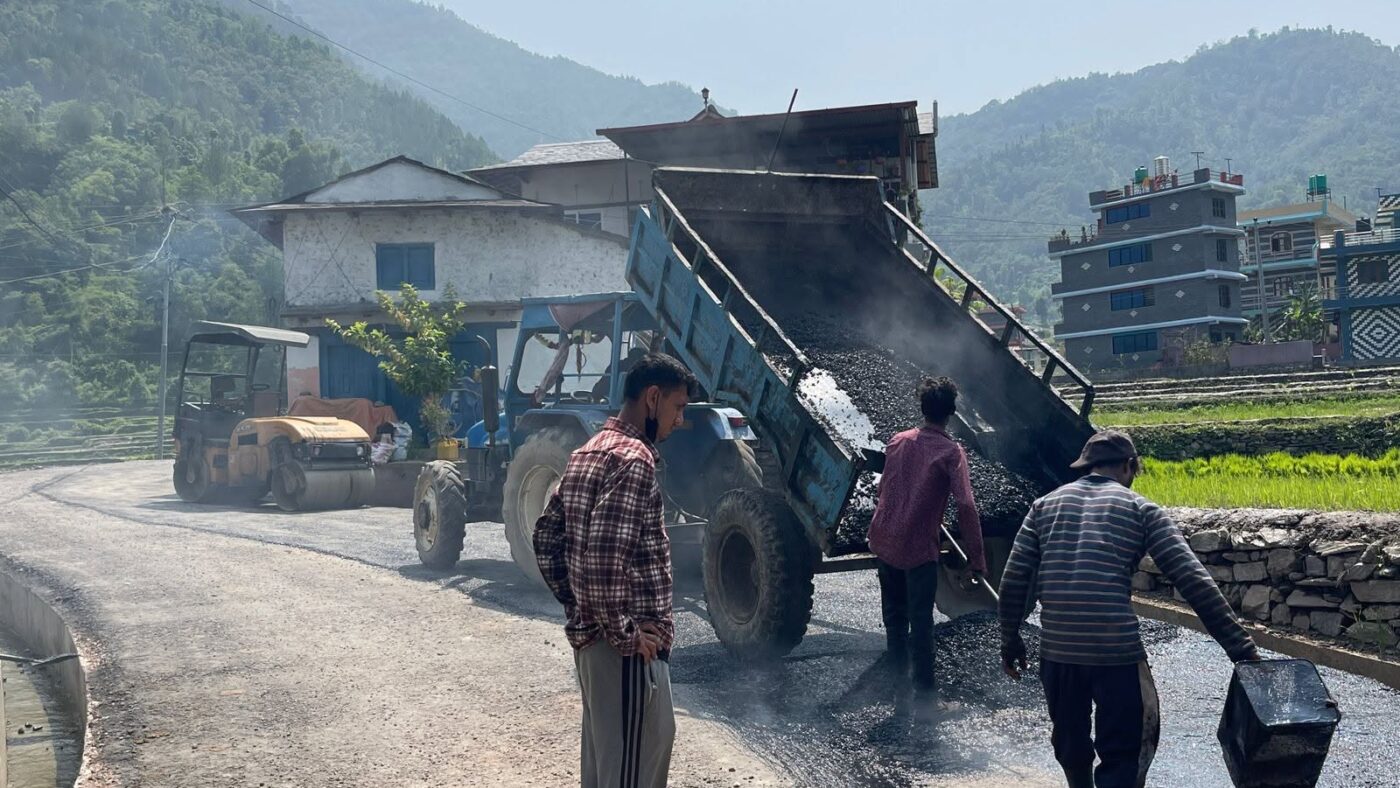
Road construction in Nepal goes beyond building transportation routes. It creates opportunities for trade, improves access to education and healthcare, supports tourism, and strengthens connections between rural and urban communities.
The Importance of Road Infrastructure in Nepal
Reliable road networks are fundamental to national development. They help connect remote settlements with economic centres, enable the transportation of agricultural products, and improve access to essential public services.
Some of the key contributions of road infrastructure include:
- Improved connectivity: Connecting rural communities with towns, markets, and essential services.
- Economic development: Facilitating the movement of goods, services, and people.
- Access to public services: Improving transportation to schools, hospitals, and government facilities.
- Tourism development: Supporting access to destinations and local tourism businesses.
- Regional integration: Strengthening connections between districts and provinces.
Key Considerations in Road Construction
Road construction requires careful planning, engineering, and execution. Nepal’s geographical and climatic conditions make infrastructure development particularly challenging.
Several factors deserve attention throughout road construction projects.
- Proper Planning and Engineering
Effective road development begins with appropriate site assessment, route selection, engineering design, and consideration of geographical conditions. Proper planning helps identify potential construction challenges and supports efficient project implementation. - Quality of Construction Materials
The quality of construction materials directly influences road performance and durability. Appropriate material selection, testing, and quality control are important throughout the construction process. - Drainage and Slope Management
Heavy rainfall, steep terrain, and soil instability can affect road infrastructure. Proper drainage systems, slope protection, and suitable erosion-control measures are important considerations, particularly in Nepal’s hilly and mountainous regions. - Construction Safety
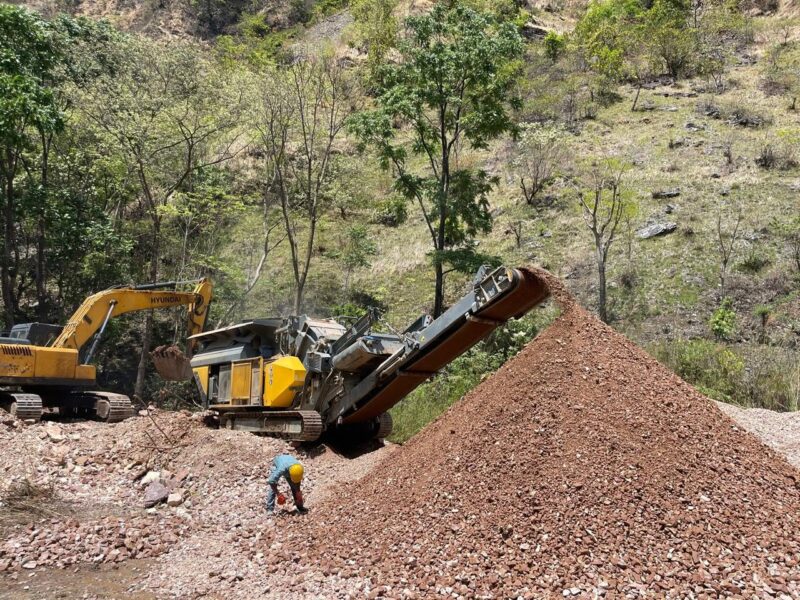
Road construction involves machinery, excavation, transportation, and activities near existing traffic routes. Appropriate safety measures, protective equipment, and responsible site management help reduce workplace and public risks. - Maintenance and Long-Term Performance
Road infrastructure requires regular inspection and maintenance. Proper maintenance helps preserve road conditions, improve usability, and reduce the need for extensive rehabilitation.
The Way Forward for Road Development
Sustainable road infrastructure development requires a balanced approach that considers engineering standards, environmental conditions, community needs, and long-term maintenance.
As Nepal continues to develop its transportation networks, attention to construction quality, responsible project execution, and appropriate engineering practices will remain important.
Building Nepal’s Future Through Better Connectivity
At Zenith Developers, we recognize the importance of reliable road infrastructure in connecting communities and supporting development. Through our construction and infrastructure services, we aim to contribute to projects that strengthen connectivity and serve the needs of communities across Nepal.